Fire safety is a critical aspect of occupational health and safety (OHS) that ensures the protection of lives, property, and the environment. In South Africa, where diverse industries and urban landscapes intersect, fire safety is not just a legal obligation but a moral responsibility. OHS Training Africa is committed to equipping individuals and organizations with the knowledge and tools necessary to prevent and manage fire-related incidents effectively.
Understanding Fire Safety
Fire safety encompasses measures designed to prevent, detect, and respond to fires. These measures involve a combination of education, fire prevention strategies, emergency response planning, and the installation of fire protection systems.
The Fire Triangle
Understanding the fire triangle is fundamental to fire safety. The triangle consists of three elements necessary for fire to occur:
- Heat: A source of ignition, such as a spark, flame, or hot surface.
- Fuel: Any combustible material, including wood, paper, oil, and gas.
- Oxygen: Found in the air, it supports combustion.
Removing any of these elements will extinguish a fire, which is the foundation of fire suppression techniques.
Fire Safety Regulations in South Africa
South Africa’s fire safety laws are governed by the Occupational Health and Safety Act (OHSA) and various municipal by-laws. These laws mandate that businesses and organizations:
- Conduct regular fire risk assessments.
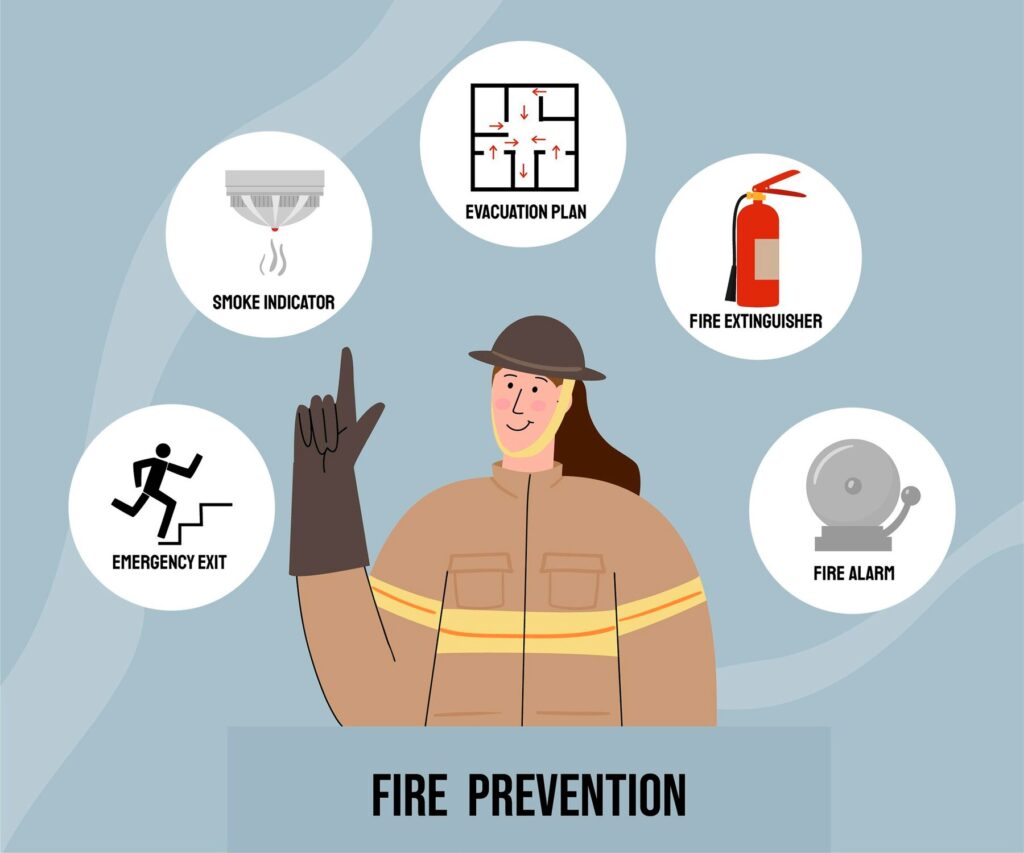
- Install and maintain appropriate fire safety equipment, including fire extinguishers, smoke detectors, and sprinklers.
- Train employees in fire safety practices and emergency evacuation procedures.
- Ensure clear signage for emergency exits and fire assembly points.
- Obtain fire clearance certificates where required.
Compliance with these regulations not only ensures safety but also avoids costly penalties and potential legal liabilities.
Common Fire Hazards
Identifying and mitigating fire hazards is a key part of fire safety. Some common fire hazards in South African workplaces include:
- Electrical Hazards: Faulty wiring, overloaded circuits, and damaged equipment.
- Flammable Materials: Improper storage of chemicals, fuels, or waste materials.
- Open Flames: Unattended candles, stoves, or welding equipment.
- Negligence: Smoking in prohibited areas or failing to turn off appliances.
- Poor Housekeeping: Accumulation of combustible waste like paper, wood, and plastics.
By addressing these hazards, organizations can significantly reduce fire risks.
Fire Prevention Strategies
Preventing fires requires proactive measures, including:
- Regular Inspections: Conduct frequent checks on electrical systems, fire extinguishers, and emergency exits.
- Proper Storage: Store flammable materials in designated areas away from heat sources.
- Training: Educate employees on fire prevention, emergency procedures, and the correct use of fire-fighting equipment.
- Housekeeping: Maintain clean and clutter-free spaces to minimize fuel for potential fires.
- Smoking Policies: Designate smoking areas away from buildings and flammable materials.
Emergency Response Planning
A robust emergency response plan can save lives and minimize damage during a fire incident. Key components of an effective plan include:
- Evacuation Procedures: Clear and practiced routes to guide occupants to safety.
- Assembly Points: Designated safe areas where people can gather after evacuating.
- Fire Wardens: Trained personnel responsible for coordinating evacuations and ensuring everyone is accounted for.
- Emergency Contact Numbers: Easily accessible contact information for local fire departments and emergency services.
- Drills: Regular fire drills to familiarize employees with procedures and identify areas for improvement.
Fire Safety Equipment
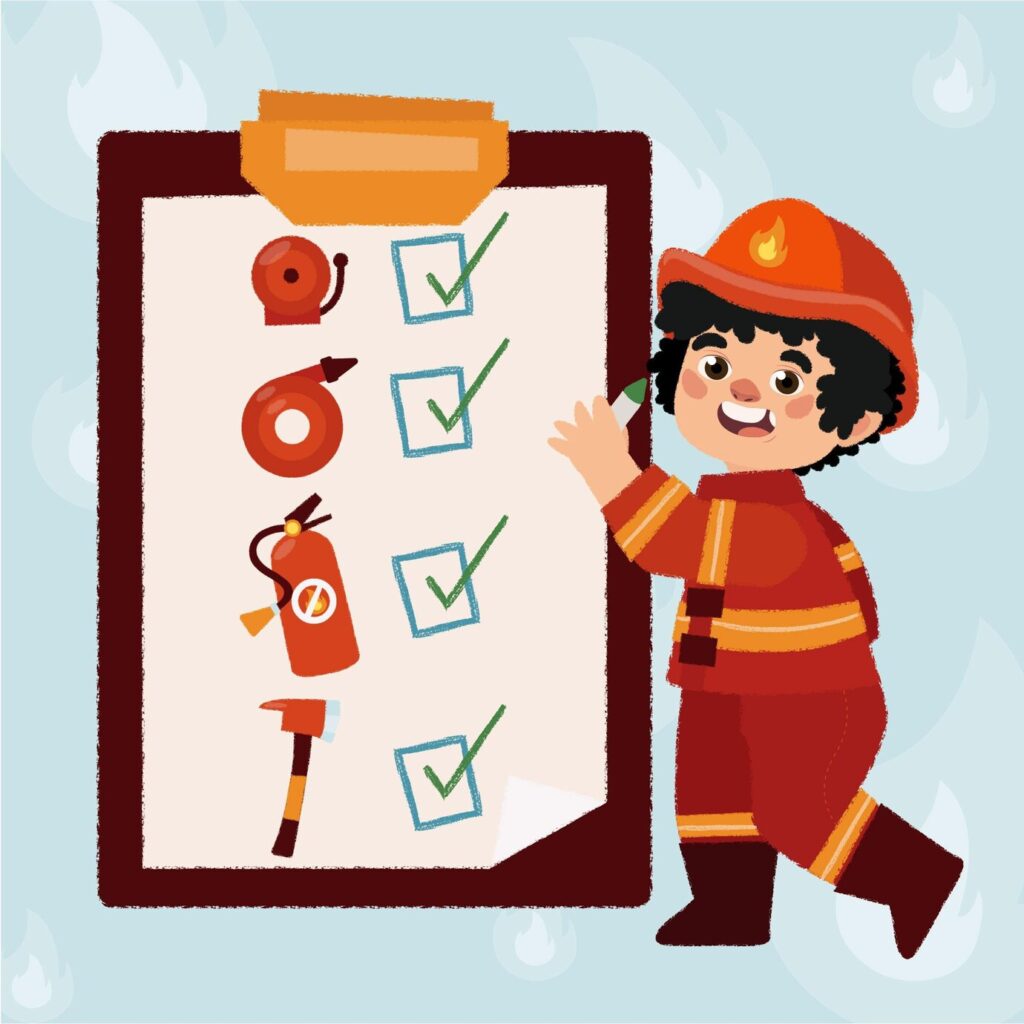
Having the right equipment is essential for fire safety. Common tools include:
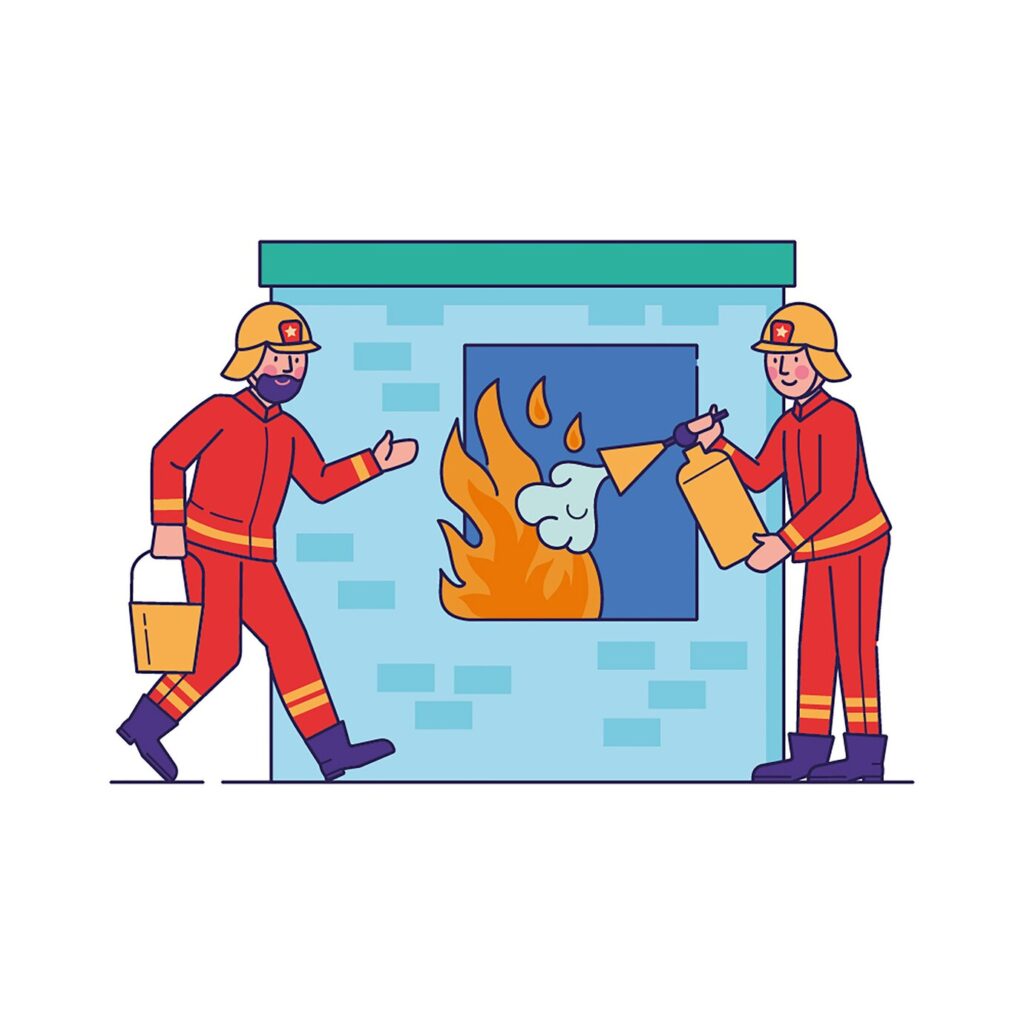
- Fire Extinguishers: Portable devices to combat small fires. Employees should be trained on the PASS technique (“Pull, Aim, Squeeze, Sweep”).
- Smoke Detectors: Early warning systems that alert occupants to the presence of smoke.
- Sprinkler Systems: Automated systems that activate to control fires in their early stages.
- Fire Blankets: Used to smother small fires or protect individuals from flames.
- Emergency Lighting: Illuminates escape routes during power outages.
Regular maintenance and inspections of these tools are necessary to ensure their reliability.
Training and Education
Fire safety training is a cornerstone of OHS practices. Employees should be trained on:
- Recognizing fire hazards.
- Using fire-fighting equipment.
- Evacuation and assembly procedures.
- Assisting vulnerable individuals during emergencies.
OHS Training Africa offers comprehensive fire safety training programs tailored to various industries. Our courses are designed to instill confidence and competence in handling fire-related emergencies.
The Role of OHS Training Africa
OHS Training Africa is dedicated to fostering a culture of safety across South Africa. We provide expert training, consultation, and resources to help organizations comply with fire safety regulations and enhance their emergency preparedness. With a focus on practical skills and real-world applications, our programs empower individuals to act decisively during crises.
Conclusion
Fire safety is an ongoing process that requires vigilance, education, and the right tools. By understanding fire risks, implementing prevention strategies, and ensuring proper training, South African organizations can create safer environments for their employees and communities. Partner with OHS Training Africa to stay ahead in fire safety and compliance, because your safety is our priority.