In today’s fast-paced work environments, safety must be a top priority for organizations across every industry. While many companies implement safety procedures and emergency protocols, one area that often gets overlooked is the importance of advanced first aid training. Specifically, First Aid Level 3 training provides employees with the skills and confidence to respond to serious medical emergencies effectively — potentially saving lives and reducing workplace liability.
What Is First Aid Level 3 Training?
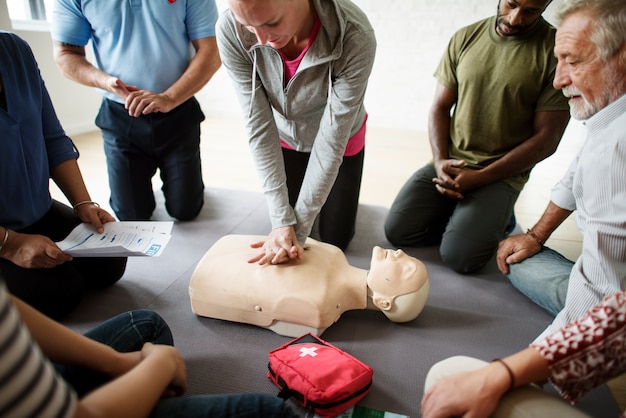
First Aid Level 3 (often referred to as Advanced First Aid) goes beyond basic first aid practices. It is an intensive program that equips participants with advanced knowledge and practical skills to manage a wide range of emergencies. Topics typically covered include:
- Advanced CPR techniques
- Managing trauma (e.g., fractures, head injuries, spinal injuries)
- Administering oxygen therapy
- Use of Automated External Defibrillators (AEDs)
- Dealing with major wounds, bleeding, and burns
- Emergency childbirth support
- Stabilizing patients until professional medical help arrives
This comprehensive training prepares individuals to take control during critical moments and offer the best possible care before paramedics or emergency services are on site.
Importance of First Aid Level 3 in the Workplace
- Immediate Response Saves Lives
In emergency situations, every second counts. For instance, cardiac arrest victims need immediate CPR and defibrillation within minutes to maximize survival rates. Similarly, major bleeding or airway obstructions must be addressed immediately. Having a workforce trained at Level 3 ensures that someone is always capable of taking swift and effective action when it matters most.
A basic first aid course may teach CPR, but Level 3 training deepens that knowledge, including techniques for children, infants, and adults. It also covers scenarios like multiple injuries and complex medical emergencies, where rapid, skilled intervention can dramatically influence the outcome.
- Reduces Severity of Injuries
Even when injuries aren’t life-threatening, prompt and appropriate care can prevent complications and long-term damage. For example, correctly managing fractures or spinal injuries at the scene can prevent further harm. Advanced first aiders are trained not only to treat but also to assess injuries carefully, helping ensure that employees receive the right type of medical support from the outset.
Workplaces, especially those involving physical labor, heavy machinery, or hazardous materials, face higher risks of severe accidents. In such environments, Level 3-trained first aiders are invaluable.
- Boosts Employee Confidence and Morale
When employees know their organization is invested in their health and safety, it fosters a culture of care and respect. Training selected team members in Level 3 First Aid shows a serious commitment to worker welfare.
Moreover, trained employees themselves often feel empowered and confident, knowing they can assist colleagues in emergencies. This confidence can be particularly beneficial in high-stress industries like construction, manufacturing, education, and healthcare, where accidents are more likely to occur.
- Legal and Regulatory Compliance
Many countries and industries have regulations that mandate specific levels of first aid preparedness. Depending on the nature of the business, Level 3 first aid training may be a legal requirement — particularly in high-risk industries such as mining, construction, and large-scale manufacturing.
Even in industries where it is not compulsory, having well-trained first aiders can protect businesses from legal risks. If an accident occurs and it is found that the business did not take reasonable steps to ensure immediate first aid response, they could face penalties, lawsuits, or workers’ compensation claims.
- Enhances Overall Workplace Safety Culture
Organizations that invest in advanced first aid training naturally create a proactive safety culture. Employees become more aware of risks, better prepared to identify hazards, and more likely to follow safety protocols. The presence of Level 3 trained personnel reinforces the message that prevention and preparedness are everyone’s responsibility, not just management’s.
First Aid Level 3 trainees often become safety ambassadors, promoting best practices and serving as leaders during drills, audits, or actual emergencies.
Choosing the Right Training Provider
Not all first aid training programs are created equal. For maximum effectiveness, organizations should ensure that the First Aid Level 3 courses they select are:
- Accredited and compliant with national safety standards
- Taught by experienced instructors with real-world medical backgrounds
- Hands-on, with realistic scenario-based training
- Updated regularly to reflect the latest medical guidelines
- Tailored to the specific risks and needs of the workplace
Regular re-certification and refresher courses are also critical, as skills can deteriorate over time without practice.
Final Thoughts
In the modern workplace, where safety, well-being, and liability concerns are greater than ever, First Aid Level 3 training is not just a nice-to-have — it is essential. Advanced training prepares employees to deal with serious incidents confidently, reduces the impact of injuries, and saves lives. It enhances organizational resilience, improves employee morale, ensures legal compliance, and strengthens the company’s reputation as a responsible and caring employer.
Investing in First Aid Level 3 training means investing in the security of your people, your workplace, and your future. Emergencies may be unpredictable, but your response doesn’t have to be.