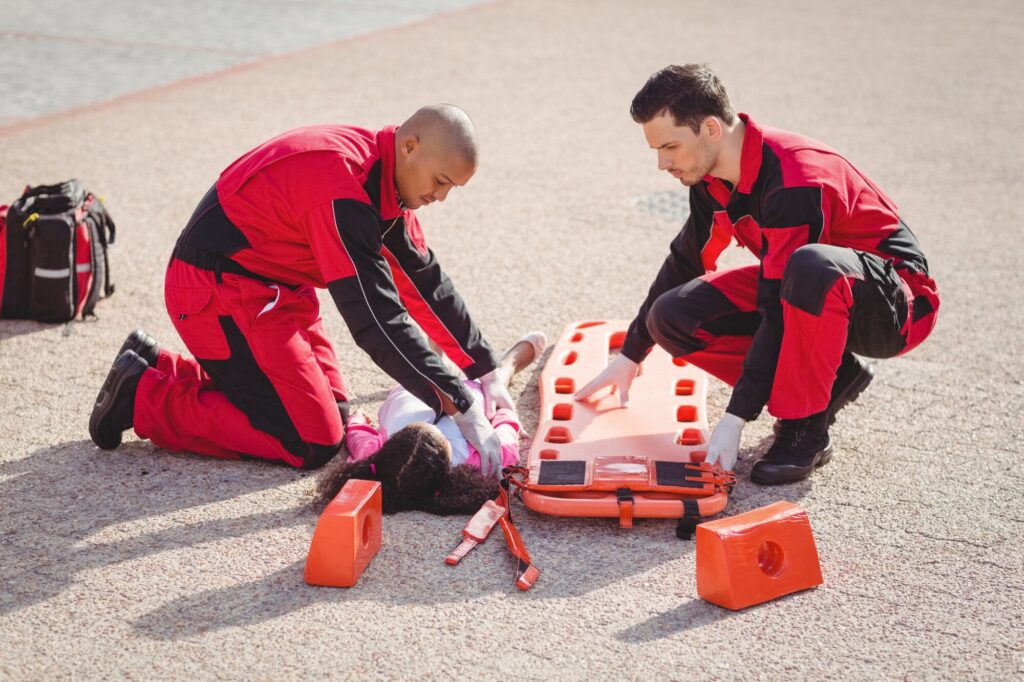
Emergencies strike without warning. Whether it’s a fire, earthquake, flood, or human-made threat, your ability to respond quickly and confidently can be the difference between chaos and calm — or even life and death. That’s why knowing how to safely evacuate in an emergency isn’t just smart; it’s essential. Fortunately, an Emergency Evacuation Course can equip you with the skills, knowledge, and confidence to act decisively when every second counts.
Why Emergency Evacuation Training Matters
Many people underestimate how disorienting and stressful emergencies can be. Panic can set in, and rational thinking often takes a back seat. When alarms are blaring, lights are out, or exits are blocked, even the most composed individuals can freeze up.
This is where an Emergency Evacuation Course proves invaluable. These courses are specifically designed to simulate real-life emergency scenarios, teaching participants how to remain calm, make quick decisions, and evacuate safely. By practicing different types of drills and learning proper evacuation procedures, you’re preparing your brain and body to respond instinctively in high-pressure situations.
What You’ll Learn in an Emergency Evacuation Course
The content of an Emergency Evacuation Course varies depending on the type of facility (e.g., office, school, industrial site) and local risks, but most courses cover core areas, such as:
- Risk Awareness: Understanding potential hazards in your environment and identifying early warning signs.
- Evacuation Planning: Learning how to create and implement a step-by-step evacuation plan.
- Safe Routes and Exits: Locating emergency exits and planning alternate routes in case primary paths are inaccessible.
- Communication Protocols: Knowing how to notify authorities and communicate with team members during evacuation.
- Special Considerations: Addressing the needs of individuals with disabilities, children, or the elderly during an evacuation.
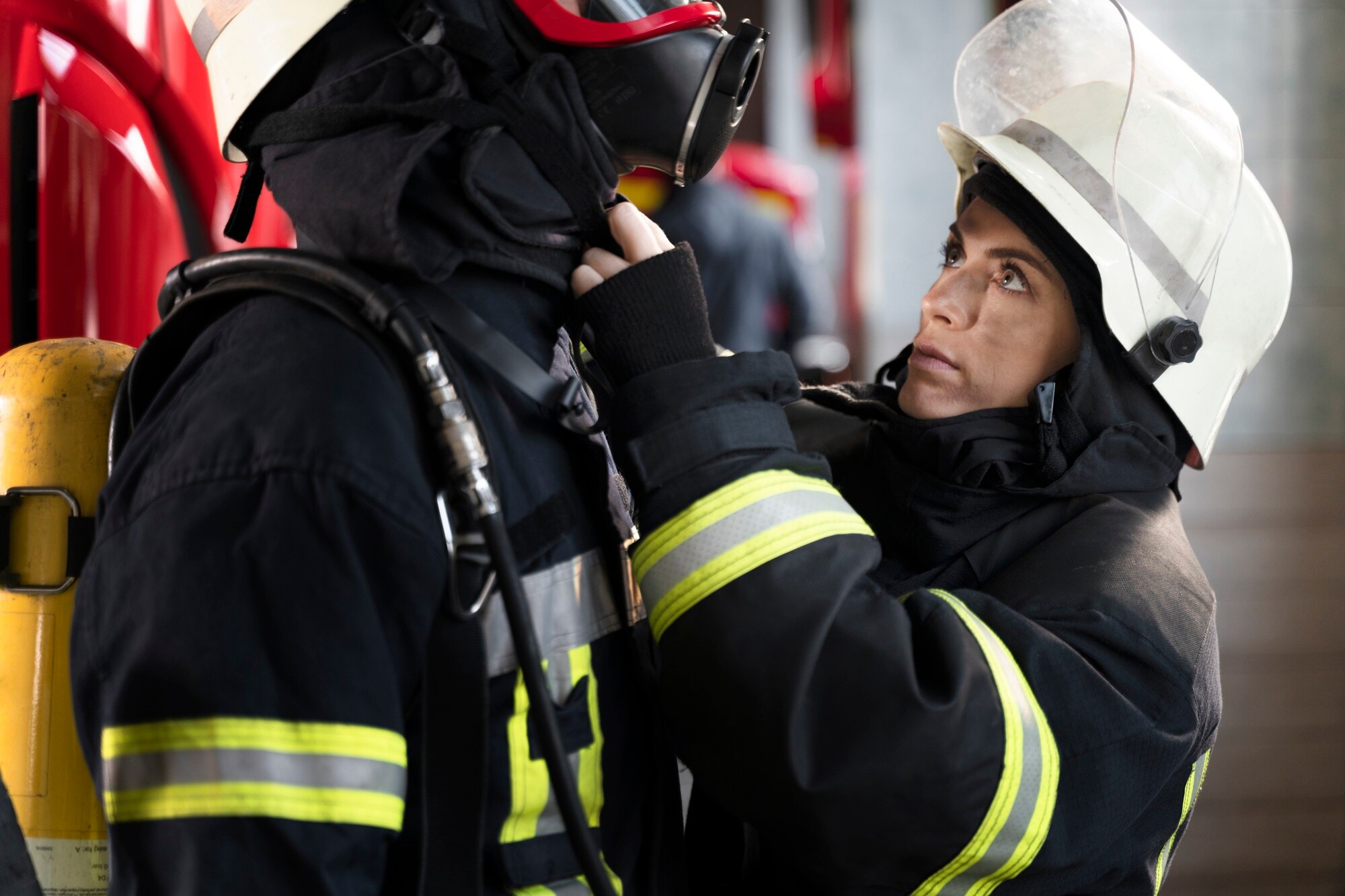
- Fire Safety and First Aid Basics: Understanding how to use a fire extinguisher, administer CPR, or treat minor injuries en route to safety.
By the end of the course, participants gain more than just information—they gain the muscle memory and mental clarity to react appropriately under pressure.
Who Should Take an Emergency Evacuation Course?
Simply put—everyone. Emergencies don’t discriminate, and neither should preparedness. However, certain groups benefit especially from this training:
- Workplace Teams: Employees and managers alike should be trained, especially those in high-risk industries like construction, manufacturing, or healthcare.
- Educators and School Staff: Ensuring the safety of students during emergencies is a critical responsibility.
- Parents and Caregivers: Knowing how to guide children or dependents through an evacuation can make a crucial difference.
- Community Leaders: Those responsible for larger groups (e.g., religious organizations, apartment complexes, or event organizers) need evacuation expertise.
Benefits Beyond Safety
An Emergency Evacuation Course does more than prepare you for disasters—it builds confidence and fosters leadership. When you know what to do, you’re less likely to panic, and more likely to help others.
Organizations that invest in emergency training often experience higher morale and a stronger sense of teamwork. Employees feel cared for and valued, knowing their well-being is a priority. Furthermore, many insurance providers and regulatory agencies recognize the importance of such training, which can lead to lower premiums and better compliance with safety regulations.
Choosing the Right Course
When selecting an Emergency Evacuation Course, make sure it is:
- Certified or Accredited: Look for courses recognized by safety organizations or local authorities.
- Customizable: Training should be tailored to your specific environment, risks, and number of participants.
- Hands-On: The best courses include drills, simulations, and real-world scenarios—not just lectures.
- Up-to-Date: Safety protocols change over time. Ensure the course reflects current best practices and legal requirements.
Online options are also available, especially for introductory courses or refresher training, but in-person experiences provide the most immersive learning.
Final Thoughts
Preparedness is peace of mind. In the face of uncertainty, confidence stems from knowledge, practice, and a clear plan. Taking an Emergency Evacuation Course empowers you to protect yourself, your loved ones, and those around you. Whether you’re in the workplace, at school, or simply at home, knowing how to respond to an emergency is one of the most valuable skills you can have.
Remember, you don’t rise to the occasion—you fall back on your training. So train smart. Stay ready. And be the calm in the storm.