In today’s fast-paced industrial and commercial world, the handling, storage, and transportation of dangerous goods are critical aspects of many businesses. Whether you work in manufacturing, logistics, mining, or any industry that deals with hazardous materials, understanding how to manage these substances safely is not just a legal requirement—it’s a moral obligation. This is where Hazchem courses in Durban come into play. Designed to equip professionals with the knowledge and skills to handle dangerous goods safely, these courses are essential for ensuring workplace safety and regulatory compliance.

In this guide, we’ll explore everything you need to know about Hazchem courses in Durban, including what they entail, why they’re important, and how they can benefit you and your organization.
What is Hazchem Training?
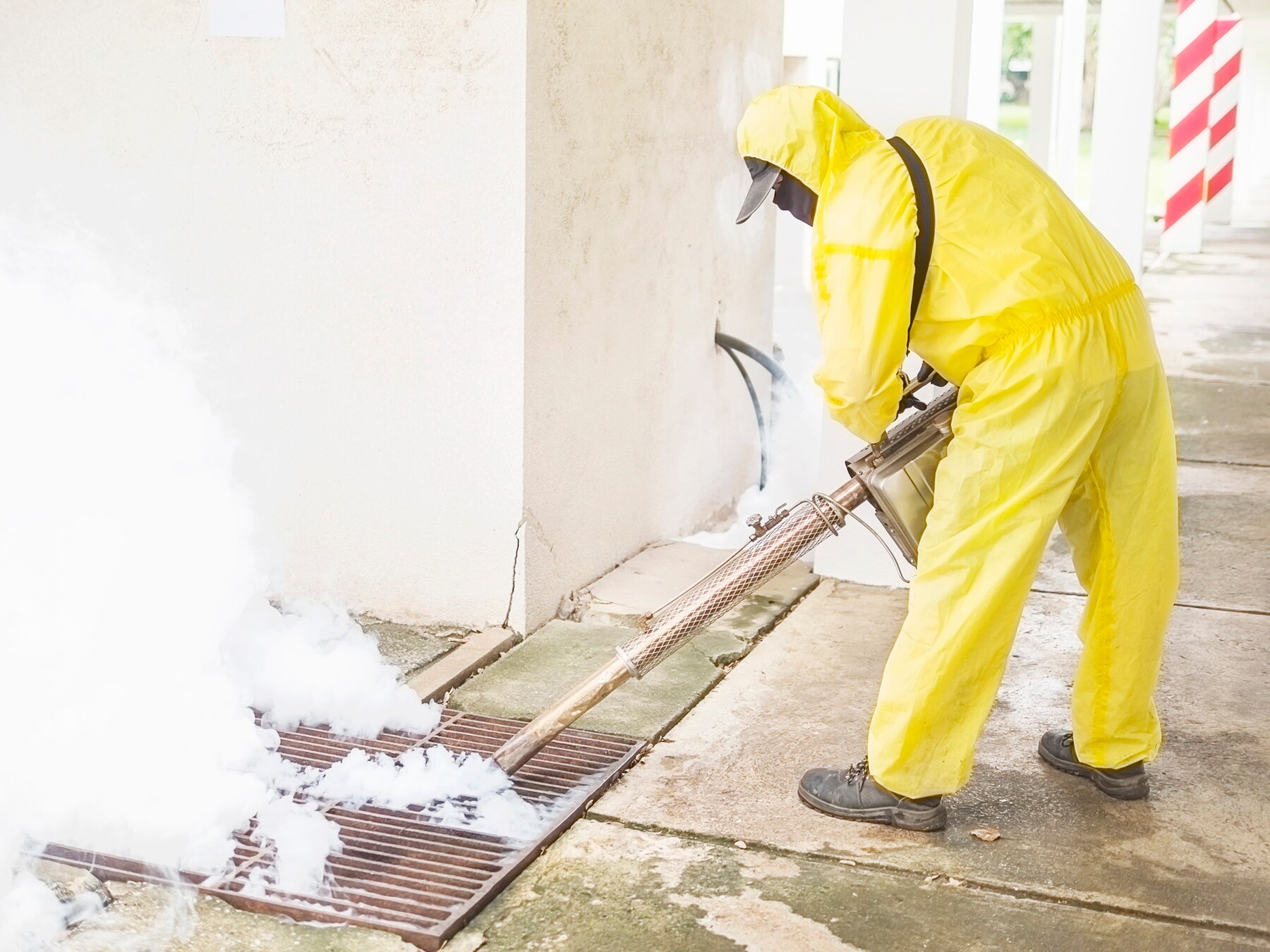
Hazchem, short for “hazardous chemicals,” refers to substances that pose a risk to health, safety, property, or the environment. These can include flammable liquids, toxic gases, corrosive materials, explosives, and more. Hazchem training is a specialized program designed to educate individuals on the safe handling, storage, and transportation of these dangerous goods.
In Durban, a major port city and industrial hub in South Africa, the need for Hazchem training is particularly acute. The city’s bustling port handles a significant volume of hazardous materials, and industries such as petrochemicals, manufacturing, and logistics rely heavily on the safe management of these substances. Hazchem courses in Durban are tailored to meet the unique challenges of the region, ensuring that professionals are well-prepared to handle dangerous goods in compliance with local and international regulations.
Why is Hazchem Training Important?
- Safety First
The primary purpose of Hazchem training is to ensure the safety of workers, the public, and the environment. Mishandling dangerous goods can lead to catastrophic accidents, including fires, explosions, and toxic spills. Proper training reduces the risk of such incidents by teaching participants how to identify hazards, use protective equipment, and respond effectively in emergencies. - Legal Compliance
In South Africa, the handling of dangerous goods is governed by strict regulations, including the Occupational Health and Safety Act (OHSA) and the South African National Standard (SANS) codes. Completing a Hazchem course ensures that your organization complies with these laws, avoiding hefty fines and legal repercussions. - Protecting the Environment
Hazardous materials can have devastating effects on the environment if not managed correctly. Hazchem training emphasizes environmentally responsible practices, such as proper waste disposal and spill containment, to minimize ecological damage. - Enhancing Professional Skills
For individuals, Hazchem certification is a valuable addition to your resume. It demonstrates your commitment to safety and your ability to handle complex responsibilities, making you a more attractive candidate for employers in industries that deal with dangerous goods.
What Does a Hazchem Course in Durban Cover?
Hazchem courses in Durban are comprehensive and cover a wide range of topics to ensure participants are well-equipped to handle dangerous goods. Here’s an overview of what you can expect:
- Introduction to Dangerous Goods
Learn about the different classes of hazardous materials, their properties, and the risks they pose. - Regulatory Framework
Understand the legal requirements for handling dangerous goods in South Africa, including SANS 10228 and 10231, as well as international standards like the ADR (European Agreement concerning the International Carriage of Dangerous Goods by Road). - Risk Assessment and Management
Develop skills to identify potential hazards, assess risks, and implement control measures to mitigate them. - Safe Handling and Storage
Learn best practices for storing and handling hazardous materials, including the use of appropriate containers, labeling, and segregation. - Emergency Response
Gain knowledge on how to respond to accidents involving dangerous goods, including spill containment, firefighting, and first aid. - Transportation of Dangerous Goods
Understand the requirements for transporting hazardous materials by road, rail, sea, or air, including documentation, packaging, and vehicle safety. - Practical Training
Many Hazchem courses include hands-on exercises, such as using fire extinguishers, donning protective gear, and simulating emergency scenarios.
Who Should Attend a Hazchem Course in Durban?
Hazchem training is essential for anyone involved in the handling, storage, or transportation of dangerous goods. This includes:
- Warehouse and logistics staff
- Drivers and transport operators
- Safety officers and risk managers
- Chemical engineers and technicians
- Emergency response teams
- Supervisors and managers in hazardous industries
Even if you’re not directly involved in handling dangerous goods, understanding Hazchem principles can be beneficial for creating a safer workplace and fostering a culture of safety.
Benefits of Hazchem Training in Durban
- Improved Workplace Safety
By equipping employees with the knowledge to handle hazardous materials safely, Hazchem training reduces the likelihood of accidents and injuries. - Regulatory Compliance
Ensure your organization meets all legal requirements, avoiding penalties and reputational damage. - Cost Savings
Preventing accidents and spills can save your organization significant costs in terms of damage control, legal fees, and lost productivity. - Environmental Protection
Proper handling of dangerous goods minimizes the risk of environmental contamination, helping your organization meet its sustainability goals. - Peace of Mind
Knowing that your team is trained to handle hazardous materials safely provides peace of mind for both employers and employees.
Choosing the Right Hazchem Course in Durban
When selecting a Hazchem course, consider the following factors:
- Accreditation: Ensure the course is accredited by recognized bodies, such as the Department of Employment and Labour or the South African Qualifications Authority (SAQA).
- Course Content: Look for a program that covers all relevant topics and includes practical training.
- Trainer Expertise: Choose a provider with experienced instructors who have a background in hazardous materials management.
- Flexibility: Opt for a course that offers flexible scheduling, including part-time or online options, to accommodate your needs.
Conclusion
In a city like Durban, where the handling of dangerous goods is a daily reality for many industries, Hazchem training is not just a legal requirement—it’s a necessity. By investing in a Hazchem course, you’re not only protecting your employees and the environment but also safeguarding your organization’s reputation and bottom line. Whether you’re an individual looking to enhance your skills or an employer aiming to create a safer workplace, Hazchem training in Durban is the key to managing dangerous goods with confidence and competence.
Don’t wait for an accident to happen. Enroll in a Hazchem course today and take the first step toward a safer, more compliant future.